

 0
0
 0
0
Smartphones now play a central role in everyday life, acting as our primary tools for staying connected, getting work done, enjoying media, and much more. Year after year these devices advance, adding features and innovations that broaden their capabilities and reshape how we interact with them. This article examines current trends and developments in smartphone tech, showing how devices are adapting to the expectations of today’s users.
Introduction of Foldable Displays
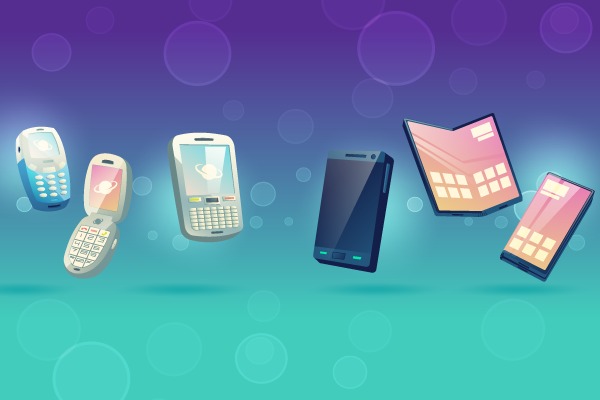
A major recent leap in smartphone design is the arrival of foldable displays. These phones use flexible panels that fold or unfold, letting a handset switch between a conventional phone size and a larger, tablet-like screen. This concept preserves the mobility and ease of a phone while offering expanded display space useful for multitasking, gaming, and watching content.
Foldable devices are available in several styles, from clamshells to book-style hinges, giving buyers options that fit different tastes and uses. Although still somewhat specialized and often costly, foldables hint at future directions in device layouts and form factor experimentation.
Advancements in Camera Technology
Cameras remain a key focus for smartphone makers, who continually expand what mobile imaging can do. New models include complex camera setups with multiple lenses, larger sensors, and advanced image-processing software, enabling users to take impressive photos and videos across varied conditions.
A growing trend in this area is the use of periscope-style telephoto lenses, which deliver notable optical zoom ranges without degrading image clarity. At the same time, computational photography—features like night modes and AI-driven scene detection—has elevated low-light and overall image quality significantly.
5G Connectivity and Beyond
The deployment of 5G networks has opened a new chapter in connectivity, offering higher throughput, reduced latency, and expanded capacity. Phones equipped for 5G let users enjoy very fast internet speeds and reliable connections for streaming, online gaming, video calls, and other data-heavy activities.
Beyond 5G, connectivity research is moving toward options like satellite links and terahertz wireless systems. Such innovations aim to improve global access, bringing dependable internet to underserved regions, remote locations, and vessels at sea.
Enhanced Security and Privacy Features
With phones storing ever more personal and financial information, protecting user data has become paramount for manufacturers. Modern smartphones include robust security measures such as biometric unlock (fingerprint sensors, facial recognition) and hardware-secured modules to prevent unauthorized access and defend against cyberattacks.
On the privacy front, devices are adding tools like granular app permission settings, clearer controls over location sharing, and stronger encryption standards. These options empower users to manage their data and preserve privacy in an increasingly connected environment.
Conclusion
To sum up, smartphones are rapidly advancing, incorporating new capabilities that change how we communicate, work, and entertain ourselves. From foldable screens and powerful camera arrays to 5G support and improved security, the latest phones deliver remarkable flexibility and performance. As technology progresses, further breakthroughs will continue to enhance user experiences and influence the future of mobile computing.