

 0
0
 0
0
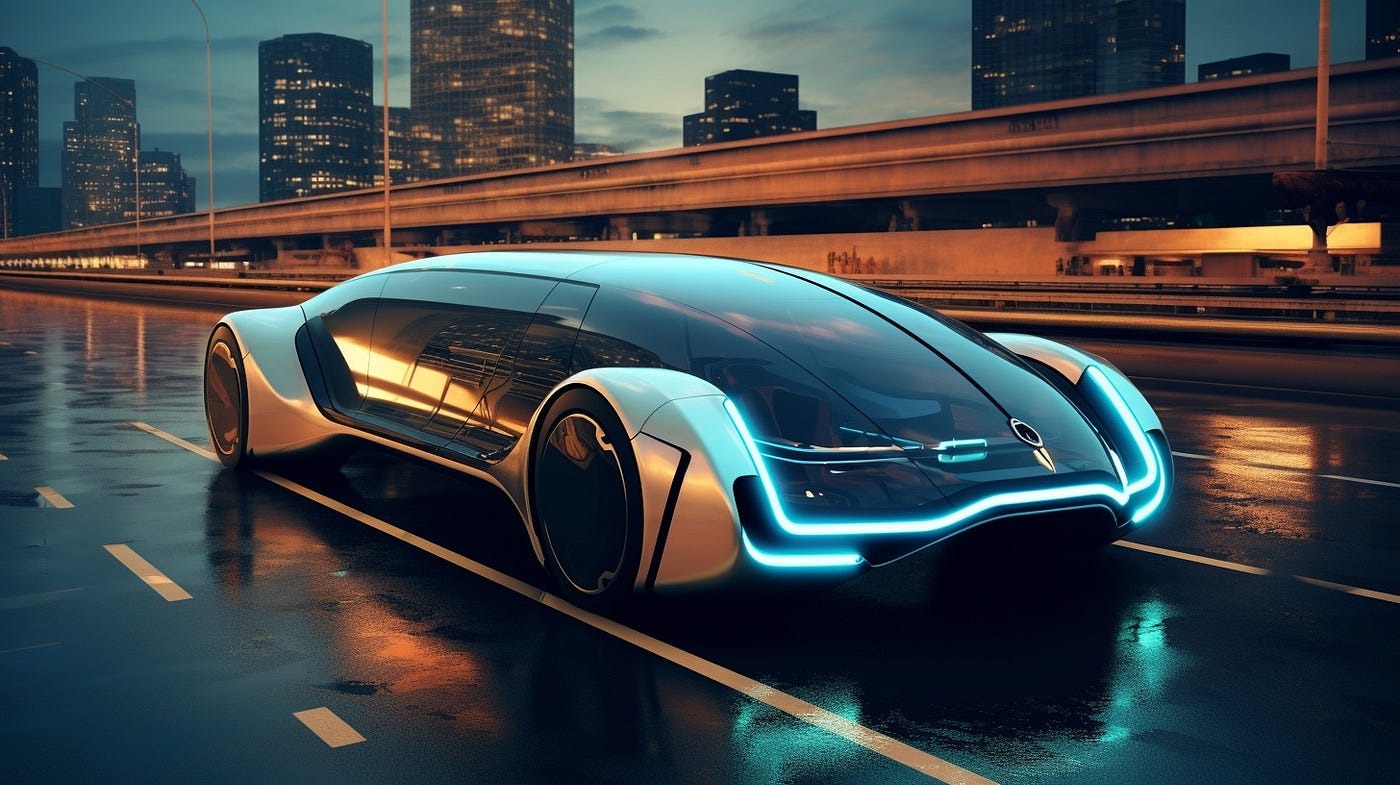
Artificial intelligence (AI) is transforming transportation, especially through the rise of autonomous vehicles. This disruptive innovation can change how people and cargo travel, delivering improvements in safety, efficiency, and accessibility.
Advancements in Autonomous Vehicles
Self-driving vehicles use AI models and an array of sensors to steer and function without a human driver. In recent years the field has seen major progress, with top firms investing substantial resources into research and development to make autonomous driving a reality.
A major area of development is the enhancement of the AI models that control these systems. They continuously process inputs from cameras, lidar, and radar to understand the environment and make split-second choices. Machine learning lets these models evolve by learning from prior data and interactions, improving their driving capabilities over time.
In addition, combining AI with emerging technologies like the Internet of Things (IoT) and 5G boosts autonomous vehicle performance. Such vehicles can exchange information with infrastructure, other cars, and pedestrians, allowing coordinated movement and safer navigation in dense cityscapes.
Safety and Efficiency Benefits
Perhaps the most notable benefit of autonomous vehicles is their promise to enhance road safety. Since human mistakes cause many crashes, removing driver error could prevent incidents tied to distraction, excessive speed, and impaired judgement. By following traffic rules and reacting faster than people, autonomous systems could greatly lower accident rates.
Autonomous vehicles also promise greater transport efficiency by routing optimally, easing congestion, and cutting travel times. AI can monitor traffic in real time and adapt vehicle paths accordingly, producing smoother flows and fewer holdups. Their ability to operate continuously without rest breaks can further improve freight transport productivity.
Implications for Urban Mobility
Broad adoption of autonomous vehicles is likely to reshape urban mobility profoundly. They could change how people get around cities by offering convenient, cost-effective options. Fleets of autonomous ride-share vehicles might reduce reliance on privately owned cars, decreasing the number of vehicles and the need for parking spaces.
Autonomous vehicles could also expand mobility for people with disabilities or limited movement, helping them access services and take part in economic and social life more easily. By delivering on-demand transport designed for diverse needs, these systems can promote a more inclusive and fair urban transit network.
Challenges and Considerations
Despite their promise, autonomous vehicles face several hurdles that must be resolved for safe, effective integration into transport systems. Issues around cybersecurity, legal responsibility, and regulatory standards must be tackled to earn public trust in autonomous solutions.
Ethical questions about how autonomous vehicles make choices in potentially dangerous situations also demand careful thought. Designers must embed safety and ethical guidelines into these systems to reduce harm to passengers, pedestrians, and other road users.
There are also worries about job displacement in sectors like transportation and logistics as automation spreads. Policymakers will need to consider measures to address the social and economic impacts of widespread autonomous vehicle deployment.
Conclusion
In summary, AI-driven autonomous vehicles could dramatically alter transportation and the future of mobility. With advances in AI, sensors, and connectivity, they offer benefits in safety, efficiency, and accessibility. Yet resolving safety, ethical, and regulatory challenges is essential to unlock their full potential and build a transport system that is safe, efficient, and equitable for everyone.