

 0
0
 0
0
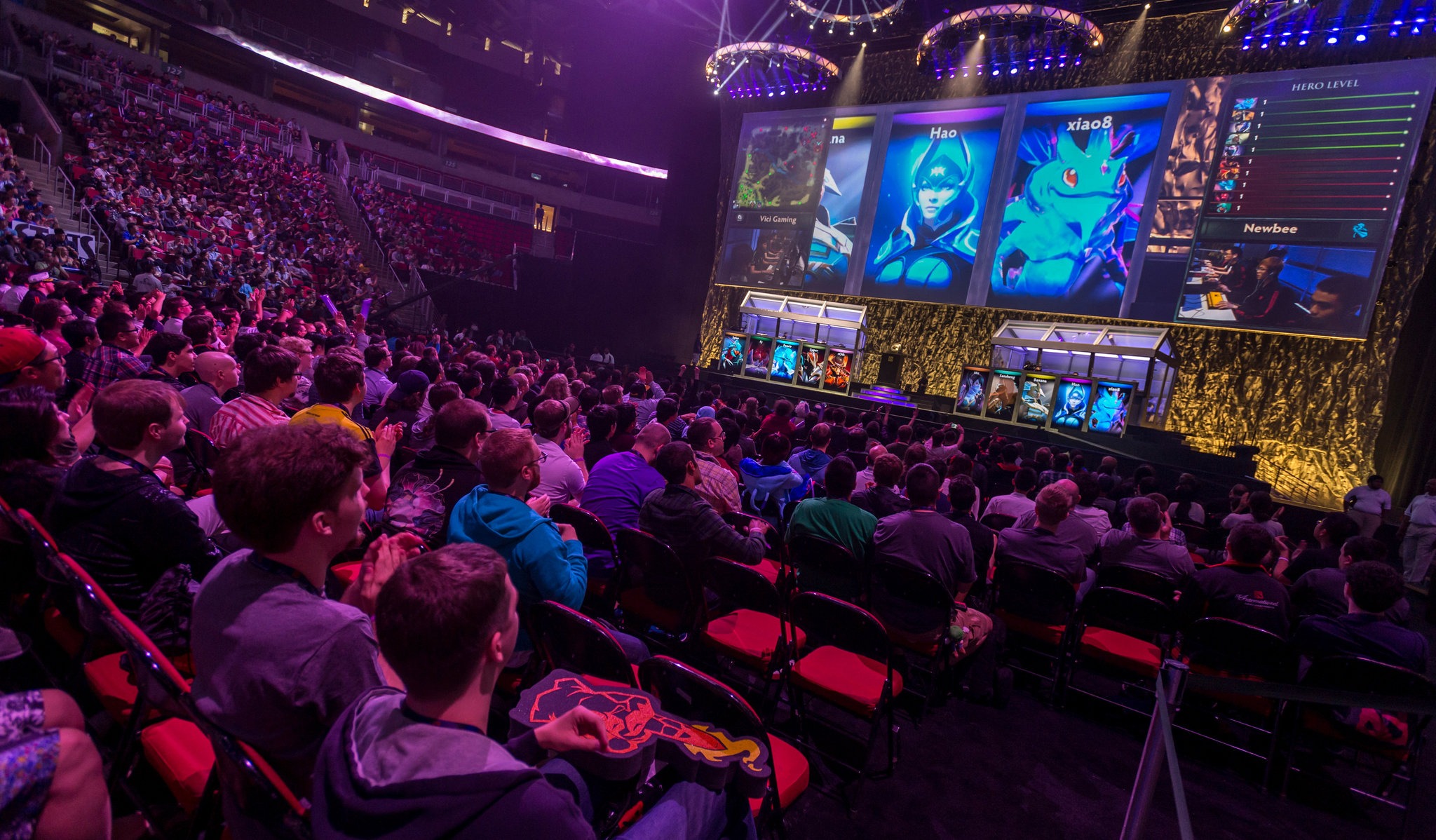
In recent times, eSports has grown into a worldwide phenomenon, drawing in millions of participants and viewers. What used to be a specialized pastime has transformed into a multi-billion-dollar business, with professional competitors vying for substantial prize pools in tournaments watched by audiences around the globe. Let’s explore the realm of eSports, its swift expansion, main elements, and outlook.
The Rise of eSports: From Niche Hobby to Global Spectacle
Several forces have driven eSports’ ascent, including technological progress, the spread of online gaming services, and rising interest in competitive play among younger people. The arrival of fast internet and streaming platforms allows eSports events to be shown live to an international audience, producing viewership figures comparable to those of traditional sports.
Additionally, greater professionalism and organizational structure within the sector have drawn in corporate sponsors, investors, and advertisers eager to tap into its large audience. Prominent brands from sectors like energy drinks to fashion are investing significantly in eSports sponsorships and partnerships, accelerating its expansion and mainstream recognition.
The Components of eSports: Players, Teams, and Tournaments
The core of eSports is its players, whose remarkable talents and commitment fuel the competitive nature of the field. Professional eSports competitors, often called “pro gamers,” spend innumerable hours refining their skills, learning intricate tactics, and sharpening reflexes to achieve success. Many elite players have reached celebrity status, attracting large followings and lucrative endorsement opportunities.
Beyond individual competitors, eSports centers on teams that take part in organized leagues and competitions across diverse games and genres. These teams, supported by sponsors and management groups, sign top performers and offer assistance with training, travel, and promotion. The teamwork and camaraderie seen in eSports squads resemble those in conventional sports, creating a sense of community among players and supporters.
The Future of eSports: Continued Growth and Innovation
As eSports keeps gaining traction, analysts foresee ongoing expansion and innovation ahead. Emerging technologies like virtual reality and augmented reality should deepen the immersive gaming experience, narrowing the gap between digital and physical worlds. Also, the internationalization of eSports is opening fresh markets and growth possibilities, especially in areas such as Asia and Latin America where gaming culture is well established.
Moreover, the blending of eSports with traditional sports and entertainment is generating new collaborative and cross-promotional opportunities. Large sports organizations and entertainment firms are increasingly putting resources into eSports teams and events, recognizing strong potential for synergy and audience engagement. As eSports diversifies and advances, it’s set to become a major force in entertainment, captivating viewers across generations and backgrounds.
In summary, eSports is a dynamic, fast-expanding industry that is changing how competitive gaming and viewership operate. With broad global reach, an enthusiastic fanbase, and a spirit of innovation, eSports is positioned to become a mainstream entertainment medium in the 21st century and beyond. Whether you play casually or follow eSports closely, the industry’s prospects look promising.