

 0
0
 0
0
In our fast-moving society, placing importance on health and well-being is essential for sustaining overall vitality. Thanks to technological progress, people can now choose from many devices created to observe and enhance different health aspects. From activity bands to devices that track sleep, these tools provide meaningful feedback and encouragement to pursue a healthier way of living. Let’s explore the realm of health and wellness devices and examine what they offer.
Fitness Trackers: Monitoring Physical Activity Levels
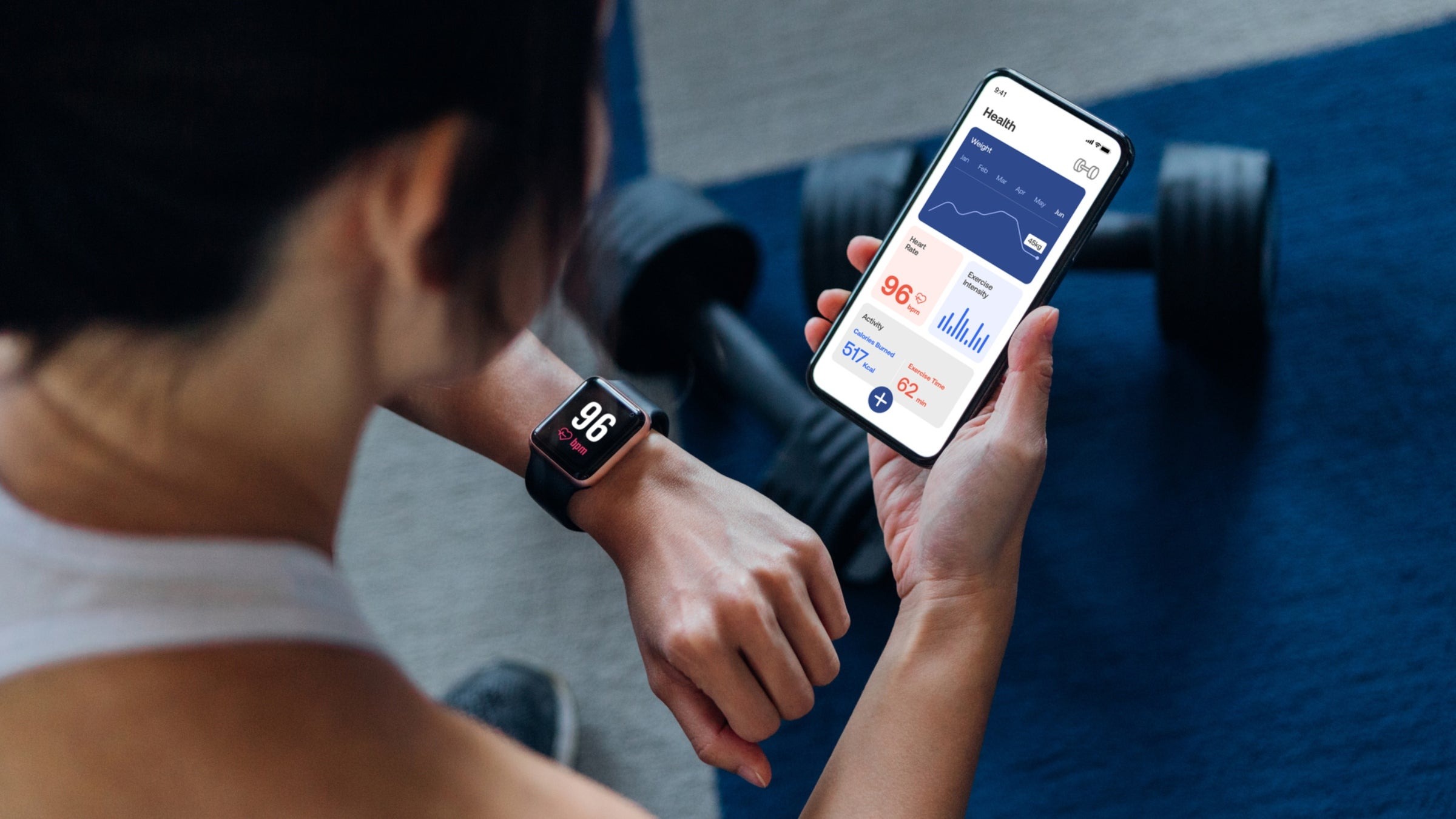
Fitness trackers have changed how individuals approach exercise and movement. Worn commonly on the wrist, these wearables employ sensors to record motion, heart rate, and other daily metrics. By delivering immediate data and analysis, fitness trackers enable users to establish and reach their activity objectives more efficiently.
A major function of fitness trackers is keeping track of daily steps. Setting step targets helps users stay driven to be more active during the day, whether walking, running, or engaging in other workouts. Many trackers also include GPS, so users can accurately map their routes and measure distances covered.
Heart rate monitoring is another important metric these devices capture. Observing heart rate during exercise and throughout the day helps users assess effort levels and make sure they train within target zones for the best outcomes. Advanced models may even estimate VO2 max and provide guided breathing sessions to boost fitness and overall wellness.
Sleep Monitors: Improving Sleep Quality
Good sleep is vital for health and functioning, yet many people have difficulty getting enough rest. Sleep monitors seek to solve this by tracking elements like duration, quality, and sleep patterns. By reviewing sleep data, users can spot issues affecting their rest and take steps to refine their sleep routines.
Sleep duration is one of the main measures these monitors record. By logging nightly sleep time, users can confirm they meet their sleep requirements and detect any ongoing sleep shortfalls. Sleep monitors often also assess quality by observing stages, interruptions, and awakenings during the night.
Some sleep-tracking devices include features aimed at enhancing sleep hygiene and encouraging healthier habits. These can offer bedtime alerts, relaxation exercises, and tailored sleep tips based on a person’s patterns and preferences. Using these functions regularly helps users optimize rest and wake feeling more refreshed.
Smart Scales: Tracking Weight and Body Composition
Keeping a healthy weight is an important part of overall wellness. Smart scales provide an easy method to monitor weight and observe body composition shifts over time. Beyond precise weight readings, many smart scales deliver metrics like body fat percentage, muscle mass, and bone density.
An advantage of smart scales is syncing measurements smoothly with companion apps or fitness trackers. This lets users follow trends, set targets, and make informed choices about nutrition and exercise. Some scales offer deeper analysis, goal tracking, and integration with health apps for a more complete approach to weight control.
In summary, health and wellness gadgets are instrumental in helping people monitor and enhance multiple areas of their health. From trackers that measure activity to monitors that study sleep, these devices provide insights and drive to adopt healthier habits. By adding these tools into daily life, users gain greater control over their well-being and can progress toward their wellness objectives.