

 0
0
 0
0
Safeguarding historical records and family documents is essential for protecting cultural memory and personal heritage. Traditional archival practices—keeping physical originals in libraries or private collections—carry substantial risks of wear, loss, or damage over time. In today’s digital era, Optical Character Recognition (OCR) provides a powerful method to digitize and preserve these materials. Here we examine how OCR is transforming archival work and helping valuable texts survive into the future.
Digitizing Historical Documents
From letters and manuscripts to newspapers and official records, historical documents offer priceless glimpses into the past. Yet paper items are often fragile and prone to decay. Using OCR to digitize these sources, archivists and historians can produce faithful digital copies that are both accessible and easy to search.
OCR converts scanned images of text into editable, searchable digital files. This preserves the original content while making it far more usable through keyword searches, text analysis, and indexing. Consequently, researchers, academics, and interested readers gain enhanced access to historical sources, enabling deeper study and discovery.
Ensuring Accuracy and Reliability
A major obstacle in digitizing old documents is guaranteeing the correctness and dependability of the transcribed text. Historical materials often feature uncommon typefaces, obsolete language, and damaged text, which complicates accurate OCR. Recent advances in machine learning and adaptive recognition have markedly raised accuracy, even with challenging or degraded originals.
Additionally, OCR tools let users edit and correct misrecognized text, preserving the authenticity of the digitized version. By combining automated OCR with human review and validation, archivists can reach high accuracy levels and maintain the trustworthiness of historical records for future users.
Facilitating Preservation and Access
OCR-driven digital archiving not only protects historical records but also broadens access to cultural heritage. Online archives remove geographic limitations, making materials reachable to a wider audience. Scholars, students, teachers, and the public can access digitized collections from anywhere, encouraging collaboration and shared learning.
Moreover, OCR improves archive accessibility for people with visual impairments or other disabilities. By turning images of text into machine-readable formats—searchable text or spoken transcripts—OCR promotes inclusion and ensures equitable access to historical content and resources.
Preserving Family Records and Genealogy
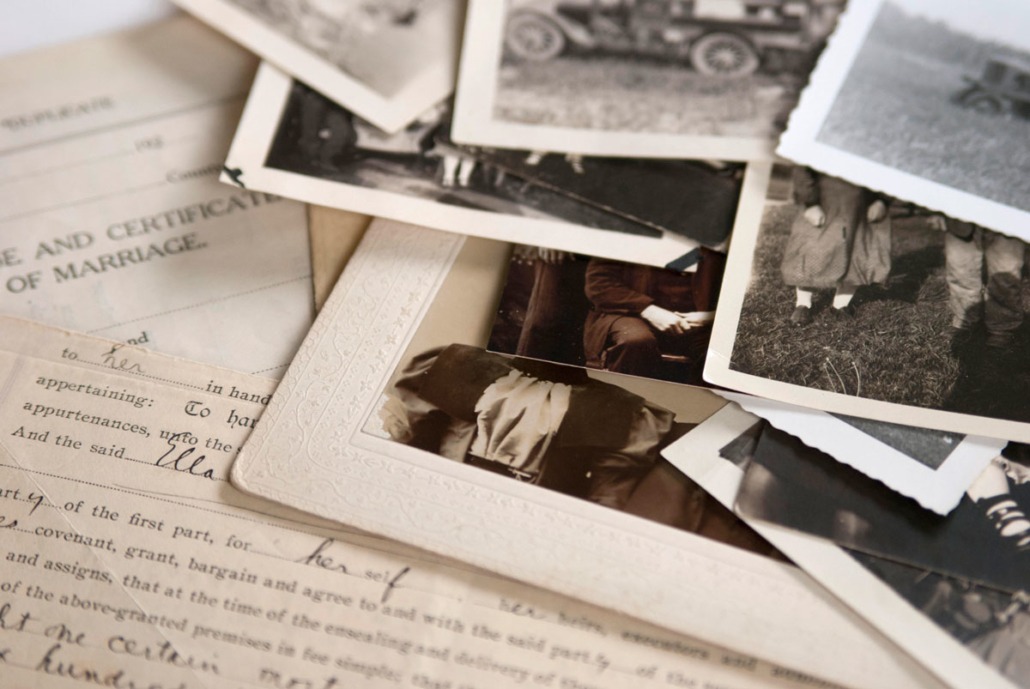
Beyond institutional collections, OCR is extremely useful for digitizing family papers and genealogical records. Treasured items like family Bibles, birth and marriage certificates, and immigration documents are often heirlooms. Digitizing these with OCR allows families to build digital archives that protect their heritage and support genealogical research.
Digital family collections do more than preserve text; they create chances for storytelling, contextualization, and sharing family history. By annotating and organizing digitized materials, families can assemble rich narratives that reflect the depth and nuance of their past.
Conclusion: Harnessing OCR for Preservation and Discovery
In summary, OCR presents a robust approach for converting and protecting historical documents and family records. By transforming scanned images into searchable, editable digital formats, OCR supports the development of comprehensive archives that prolong the life and availability of cultural and personal legacies. As OCR technology advances, its role in digital preservation will expand, opening fresh possibilities for conserving, exploring, and engaging with historical materials. Utilizing OCR helps ensure our shared history and individual stories remain accessible to future generations.