

 0
0
 0
0
In a world that moves quickly, managing and processing documents effectively is essential for both individuals and organizations. Traditional paper-handling techniques—like manual typing and rows of filing cabinets—are slow, prone to mistakes, and inefficient. Advances in Optical Character Recognition (OCR) have transformed how documents are scanned, digitized, and processed, making document handling simpler and more efficient than ever.
Understanding OCR Technology
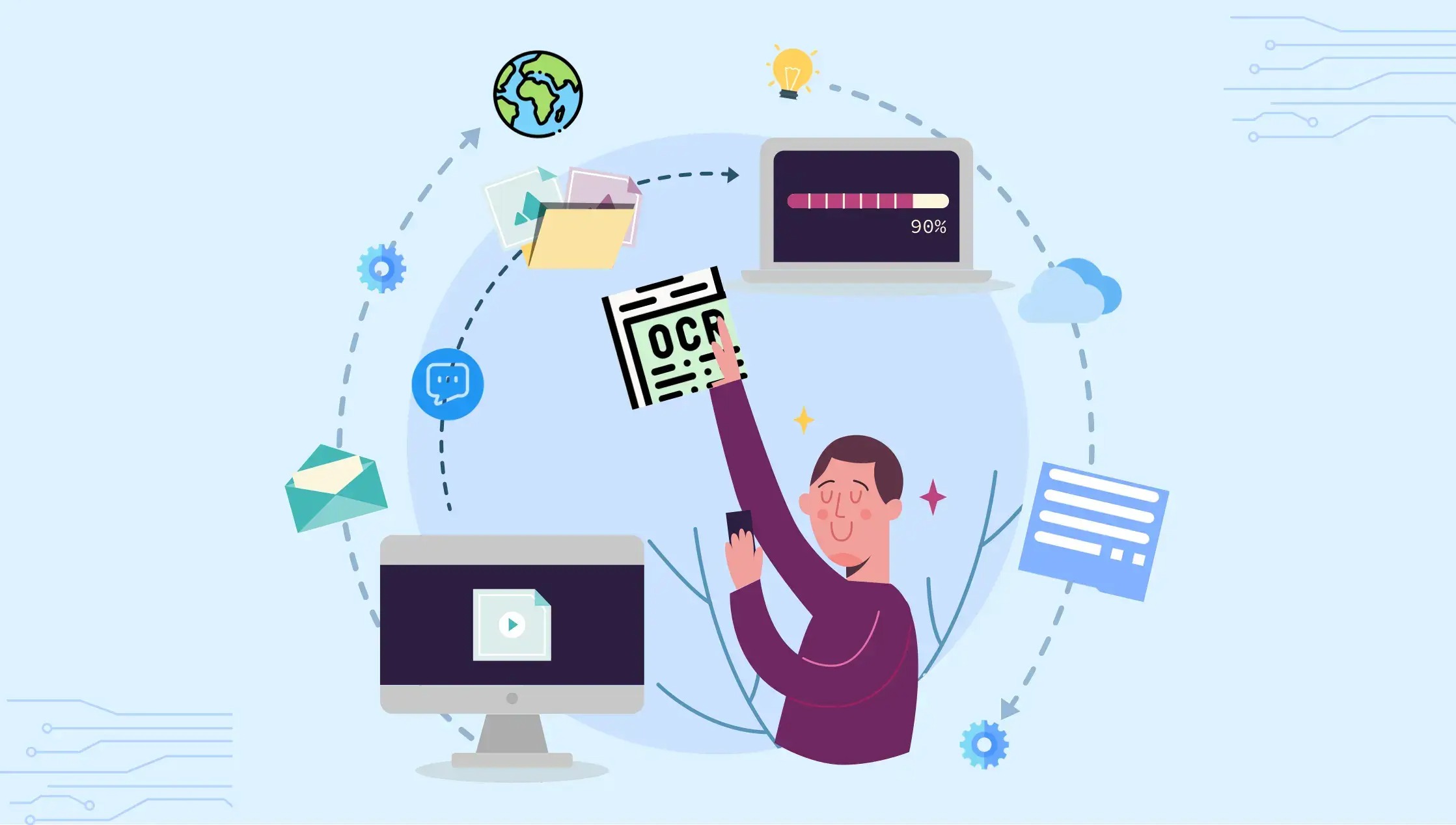
Fundamentally, OCR converts images of printed or handwritten text into editable, machine-readable characters. The system examines the image pixels, detects character-like patterns, and converts them into digital text. Unlike basic scans that only produce image files, OCR lets users pull out and work with the actual textual content found in scanned pages.
Contemporary OCR solutions use sophisticated algorithms and machine learning to recognize and interpret text reliably, even in challenging or degraded images. By training on extensive datasets, these models continually refine their accuracy and flexibility, delivering consistent results across many document formats and languages.
Streamlining Document Scanning and Digitization
OCR’s principal advantage is simplifying the scanning and digitizing workflow. Rather than manually entering or transcribing text from paper documents, users can scan documents with a scanner or phone camera and let OCR extract the text automatically. This approach saves significant time and effort while lowering the chance of mistakes tied to manual input.
Additionally, OCR lets users turn scans into searchable, editable digital formats like PDF or Word files. This makes it possible to search by keywords, copy and paste content, and edit text—greatly improving the functionality and accessibility of digitized materials.
Enhancing Data Accuracy and Compliance
Beyond speeding up scanning, OCR helps increase data accuracy and support compliance efforts. Automating text extraction from documents minimizes errors and discrepancies that often arise from manual data entry. This is especially critical in sectors such as healthcare, finance, and law, where precision and regulatory adherence are vital.
OCR also enables organizations to digitize and archive large quantities of paper records, helping meet data retention rules and regulations. By producing searchable, indexed digital archives, institutions can swiftly find documents for audits, legal matters, or internal needs, lowering the risk of penalties, fines, or litigation.
Empowering Digital Transformation
OCR is a major driver of digital transformation, helping organizations update document management and adopt digital workflows. Digitizing paper records and integrating OCR into management systems streamlines processes, boosts collaboration, and raises productivity.
Moreover, OCR makes it possible to extract meaningful information from unstructured documents like invoices, contracts, and reports. Using OCR-based analytics to examine textual data gives organizations greater operational insight, reveals patterns and trends, and supports data-driven decisions that foster growth and innovation.
Conclusion: Embracing the Power of OCR for Document Management
In summary, OCR is reshaping how documents are scanned, digitized, and processed, making document management more convenient, efficient, and compliant. By automating text extraction from scanned images, OCR accelerates scanning and digitization, improves data accuracy and compliance, and helps organizations pursue digital transformation. As OCR technology advances, it will continue simplifying document workflows and unveil new ways for organizations to capitalize on digital information.